-
Your next favorite book
is waiting.

The Case for Reason, Science, Humanism, and Progress
Pinker's presents the big picture of human progress: people are living longer, healthier, freer, and happier lives, and while our problems are formidable, the solutions lie in the Enlightenment ideal of using reason and science.
Is the world really falling apart? Is the ideal of progress obsolete? In this elegant assessment of the human condition in the third millennium, cognitive scientist and public intellectual Steven Pinker urges us to step back from the gory headlines and prophecies of doom, which play to our psychological biases. Instead, follow the data: In seventy-five jaw-dropping graphs, Pinker shows that life, health, prosperity, safety, peace, knowledge, and happiness are on the rise, not just in the West, but worldwide. This progress is not the result of some cosmic force. It is a gift of the Enlightenment: the conviction that reason and science can enhance human flourishing.
Far from being a naïve hope, the Enlightenment, we now know, has worked. But more than ever, it needs a vigorous defense. The Enlightenment project swims against currents of human nature - tribalism, authoritarianism, demonization, magical thinking - which demagogues are all too willing to exploit. Many commentators, committed to political, religious, or romantic ideologies, fight a rearguard action against it. The result is a corrosive fatalism and a willingness to wreck the precious institutions of liberal democracy and global cooperation.
With intellectual depth and literary flair, Enlightenment Now makes the case for reason, science, and humanism: the ideals we need to confront our problems and continue our progress.
"In an era of increasingly 'dystopian rhetoric,' Pinker's sober, lucid, and meticulously researched vision of human progress is heartening and important." - Publishers Weekly
"A defense of progress that will provoke deep thinking and thoughtful discourse among his many fans." - Booklist
"The author examines the many ways in which Enlightenment ideals have given us lives that our forebears would envy even if gloominess and pessimism are the order of the day." - Kirkus
"A terrific book...[Pinker] recounts the progress across a broad array of metrics, from health to wars, the environment to happiness, equal rights to quality of life." - The New York Times
This information about Enlightenment Now was first featured
in "The BookBrowse Review" - BookBrowse's membership magazine, and in our weekly "Publishing This Week" newsletter. Publication information is for the USA, and (unless stated otherwise) represents the first print edition. The reviews are necessarily limited to those that were available to us ahead of publication. If you are the publisher or author and feel that they do not properly reflect the range of media opinion now available, send us a message with the mainstream reviews that you would like to see added.
Any "Author Information" displayed below reflects the author's biography at the time this particular book was published.
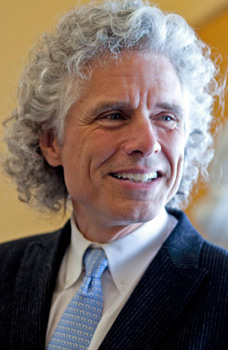
Photo: Rose Lincoln
Steven Pinker is one of the world's leading authorities on language and the mind. His popular and highly praised books include The Stuff of Thought, The Blank Slate, Words and Rules, How the Mind Works, and The Language Instinct. The recipient of several major awards for his teaching, books, and scientific research, Pinker is Harvard College Professor and Johnstone Family Professor of Psychology at Harvard University. He also writes frequently for the New York Times, Time, the New Republic, and other magazines.

If you liked Enlightenment Now, try these:

by Leah Sottile
Published 2025
An investigation of the New Age movement in America that aims to understand its appeal to women and the self-proclaimed prophetesses, like Love Has Won's Amy Carlson, who've created kingdoms for themselves within it.
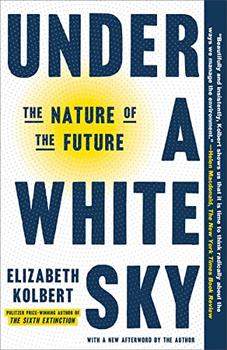
by Elizabeth Kolbert
Published 2022
The Pulitzer Prize–winning author of The Sixth Extinction returns to humanity's transformative impact on the environment, now asking: After doing so much damage, can we change nature, this time to save it?
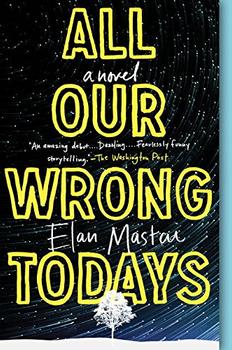
by Elan Mastai
Published 2018
Filled with humor and heart, and saturated with insight and intelligence and a mind-bending talent for invention, this novel signals the arrival of a major talent.
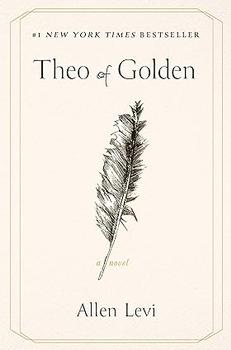
Theo of Golden by Allen Levi
One spring morning, a stranger arrives in the small southern city of Golden. No one knows where he has come from…or why…


Your guide toexceptional books
BookBrowse seeks out and recommends the best in contemporary fiction and nonfiction—books that not only engage and entertain but also deepen our understanding of ourselves and the world around us.